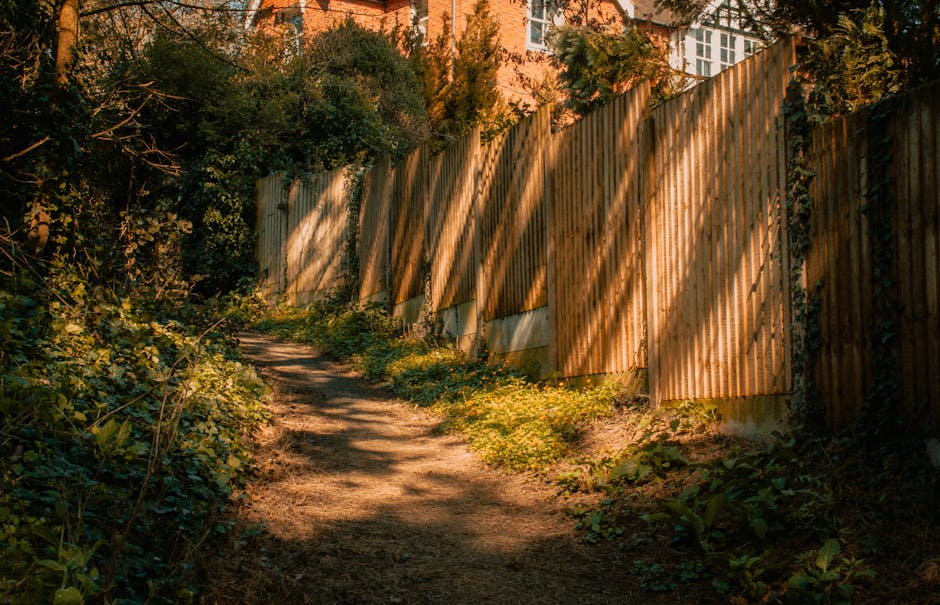
What to know about access problems for Sanderstead gardeners
If you are planning garden work in Sanderstead, access is often the thing that decides whether a job feels straightforward or turns into a bit of a faff. A narrow side gate, steps down to the rear garden, nowhere to park, or a long carry from the van can all change how a gardener approaches the work, the time it takes, and sometimes even what equipment can be used. That is why understanding access problems for Sanderstead gardeners matters before the first spade goes in the soil.
In practical terms, good access means safer work, less damage, better timing, and fewer surprises. It also means a more accurate quote. This guide explains the common access issues gardeners run into in Sanderstead, how they are usually handled, and what you can do to make the process smoother. Nothing fancy. Just the useful stuff that saves time and stress.
Table of Contents
- Why access problems matter
- How access problems are managed
- Key benefits of planning access properly
- Who this is for
- Step-by-step guidance
- Expert tips for better results
- Common mistakes to avoid
- Tools, resources and recommendations
- Law, compliance, standards and best practice
- Options and comparison table
- Case study
- Practical checklist
- Conclusion
- Frequently asked questions
Why What to know about access problems for Sanderstead gardeners Matters
Access sounds like a small detail, but in garden work it affects almost everything. If a team cannot get tools, waste, plants, soil, or machinery to the right place easily, the job slows down. Sometimes it slows right down. A simple lawn cut may still be possible, but heavier work such as hedge trimming, garden clearance, or landscaping can become much more labour-intensive.
For Sanderstead properties, the issues can be very ordinary: tight side return access, shared walkways, sloping gardens, terraced layouts, locked gates, fragile paving, or front gardens that are too narrow for wheelbarrows and larger equipment. None of that is unusual. Truth be told, it is the kind of thing a good gardener expects to assess before quoting.
Why does it matter so much? Because access affects:
- how many people are needed on site
- how long the work will take
- which tools can be used safely
- how waste is removed
- the risk of damage to paths, turf, fences, and paintwork
- whether the quote needs to include extra labour or transport time
It also matters for customer expectations. If you are comparing services such as garden maintenance, lawn mowing, or hedge trimming, access is often the reason one garden feels like a tidy one-hour visit and another needs a more careful, staged approach. Same postcode, very different setup.
Expert summary: Access problems do not usually stop garden work altogether, but they do shape the method, the cost, and the risk level. The earlier they are discussed, the better the outcome tends to be.
How What to know about access problems for Sanderstead gardeners Works
Good access planning starts before anyone arrives with tools in hand. Usually, a gardener will ask a few practical questions or inspect the site in person. That is not being awkward. It is how you avoid a half-baked estimate that falls apart once the van door opens.
The assessment normally looks at three things: entry, movement, and exit.
1. Entry
Can people, tools, and materials get into the property cleanly? That means checking gate width, steps, security locks, intercoms, pets, neighbours' access, and whether a key or a host needs to be present. A gate that seems fine for a person might still be awkward for a mower, a wheelbarrow, or bags of green waste.
2. Movement
Once inside, how easy is it to move around? Long gardens, steep gradients, muddy paths after rain, loose slabs, low branches, and narrow turning spaces all affect workflow. If a gardener has to carry every load by hand across a long distance, the job becomes slower and more tiring. That can matter a lot on bigger clearances.
3. Exit
How will waste, cuttings, rubble, or spoil leave the site? For jobs such as garden clearance or tree lopping and removal, removal access is just as important as arrival access. If waste has to travel through a house, across a delicate driveway, or through a shared side passage, the job needs extra planning.
Sometimes access is straightforward but simply inconvenient. Other times it creates real constraints. For example, a gardener might use smaller equipment, protective boards, additional labour, or a staged schedule. In some cases, they may recommend a different approach altogether, especially for larger landscaping or excavation work.
That is also why some jobs are linked to broader planning decisions. If access is limited, you may find it helps to combine smaller tasks into a single visit rather than spread them out. A practical example: trimming hedges, clearing borders, and doing a basic tidy in one managed session is often easier than booking separate visits that each need repeated setup.
Key Benefits and Practical Advantages
Sorting access early is not just about avoiding problems. It has real benefits that you will notice immediately, sometimes in ways that are a bit boring on paper but hugely useful in practice.
- More accurate quotes - the gardener can price the labour and time more realistically.
- Less disruption - fewer delays, fewer back-and-forth questions, less waiting around.
- Lower risk of damage - gates, paving, sheds, turf, and planted areas are better protected.
- Safer working conditions - fewer awkward carries and less strain for the team.
- Better equipment choice - the right tools can be selected for the actual site conditions.
- Smoother waste removal - green waste and cuttings can be handled more efficiently.
There is also a small but important trust benefit. When a gardener asks detailed questions about access, it usually means they are thinking properly about the job. They are not just pushing a mower around and hoping for the best. To be fair, that should be the baseline.
Access planning can also help with longer-term work. For example, if you are considering landscaping or landscape gardening, a clear access plan may influence what materials are practical, where deliveries can be dropped, and whether certain designs are realistic without heavy manual carry.
Who This Is For and When It Makes Sense
This topic matters to more people than you might think. Access problems are not only for big overgrown gardens or complicated building plots. They show up in ordinary homes, too.
You will especially want to think about access if you are:
- a homeowner with a side gate that barely fits a wheelbarrow
- a landlord arranging tidy-up work between tenancies
- a resident with a split-level or sloping garden
- someone booking seasonal maintenance after a long gap
- preparing for a property sale and needing the garden presentable quickly
- planning a larger project involving decking, turf, beds, or hard landscaping
It also makes sense if the garden has changing conditions. A path that is fine in summer may become slippery in winter. A wide route can become awkward if bins, bikes, garden furniture, or stored materials are in the way. One of those little everyday things. You know how it goes.
If your garden work is basic and access is easy, the issue may not matter much. But once the job involves repeated visits, heavier kit, or any sort of waste removal, access becomes part of the planning rather than an afterthought.
Step-by-Step Guidance
If you want to avoid access-related headaches, work through the job in a clear order. Nothing elaborate. Just sensible steps.
- Walk the route from the street to the work area. Note gates, locks, steps, slopes, narrow corners, and anything that could snag equipment.
- Measure the tight spots. Gate widths, path widths, and turning spaces help determine whether standard tools will fit.
- Look for fragile surfaces. Old slabs, loose gravel, soft turf, or decorative edging may need protection.
- Check parking and unloading space. Even short-distance unloading can affect efficiency if the van has to park far away.
- Identify waste exit routes. Think about where cuttings, branches, and bags will go once the work is done.
- Share site conditions clearly before the visit. Photos and a brief description save time and reduce surprises.
- Confirm any restrictions. These might include pets, neighbours' shared access, timed entry, or quiet hours.
- Choose the right service approach. A regular maintenance visit and a one-off clearance may need very different access handling.
A practical tip: if you can take a couple of photos from the gate, side passage, and back garden, that is often enough to flag potential issues early. It is not about making the setup look perfect. It is about being accurate.
For jobs involving regular upkeep, it can also help to pair access notes with a routine plan. A garden that is maintained by garden maintenance visits tends to stay more manageable than one left to grow wild and then tackled in a single marathon session. That part is obvious, but easy to forget when life gets busy.
Expert Tips for Better Results
There are a few things experienced gardeners tend to do almost automatically. They are simple, but they make a real difference.
Keep access clear on the day
Move cars, bins, wheelie boxes, toy storage, and anything else that blocks the route. Even a narrow squeeze can become safer and faster if the path is cleared properly. A five-minute tidy-up can save twenty minutes of awkward lifting.
Tell people about locked or shared access early
If a gardener needs someone to let them in, say so. If the route crosses a shared driveway or communal path, mention it. That avoids a lot of standing about in the drizzle, which nobody enjoys.
Use the easiest route, not the most obvious one
Sometimes the front entrance looks logical but the side route is gentler and safer. Sometimes the opposite is true. The best access route is the one that reduces strain and protects the property.
Think about weather, not just layout
After rain, a sloped lawn or a muddy border can become much harder to cross. In winter, mossy paving and shaded steps can be slippery. A job that looks fine in the morning may feel very different by lunchtime.
Match the service to the access conditions
A tight site may still be fine for lawn care or hedge trimming, but not ideal for bulk waste removal or heavy landscaping materials. Where possible, choose a service setup that suits the space. If you need a bigger structural change, discuss it before work starts.
A small, slightly self-aware note here: the phrase "it'll be fine" is rarely a proper access strategy. It sounds reassuring, sure. But it is not a plan.
Common Mistakes to Avoid
Access problems become more expensive when they are hidden, assumed away, or only discovered on arrival. These are the mistakes that most often cause trouble.
- Not mentioning the gate width. A narrow entrance can change how tools and materials are brought in.
- Forgetting about parking. If the van cannot stop close enough, labour time rises fast.
- Ignoring waste removal. The job is not really finished if cuttings and debris are difficult to move out.
- Overlooking surface condition. Damaged slabs or delicate gravel may need boards or alternative routes.
- Assuming all gardens work the same way. They do not. Not even close.
- Waiting until the day of the visit to explain access issues. That is the classic one, and it causes avoidable friction.
Another common mistake is booking a service before thinking about what the garden actually needs. For instance, a quick tidy and a full clearance are not the same thing. If access is awkward, choosing the wrong level of service can make the whole job feel harder than necessary.
And yes, sometimes people simply underestimate the carrying distance. It happens. A garden can look small from the back window and still be a surprisingly long trek from the van.
Tools, Resources and Recommendations
You do not need specialist equipment to think clearly about access. A few everyday tools and habits are enough.
- Measuring tape - useful for gate widths, path widths, and tight corners.
- Phone camera - photographs can show the actual route, not just the view from the patio.
- Notebook or notes app - handy for recording locks, slopes, parking issues, and awkward turns.
- Site photos in daylight - much better than trying to judge conditions in poor light.
- Simple map sketch - even a rough drawing helps explain the route through the property.
If you are planning work with a supplier, it helps to look at their wider service information too. Pages such as services overview, pricing and quotes, and insurance and safety can give you a clearer sense of how the business handles jobs, pricing, and risk.
For sustainability-minded customers, access can also affect how waste is handled. If waste needs to be moved in smaller loads or through a longer route, that can influence the overall tidy-up process. The company's recycling and sustainability information may be worth checking if that matters to you.
One more practical recommendation: keep a simple record of any recurring access quirks. If you book seasonal visits, you will not need to explain the same awkward gate or parking issue from scratch every time. Nice and boring. Which is exactly what you want.
Law, Compliance, Standards and Best Practice
Access issues are not usually a legal drama, but there are still sensible standards to keep in mind. Garden work can involve manual handling, sharp tools, trip hazards, and movement through shared or private spaces. So the basics matter: safe lifting, clear walkways, stable footing, and sensible communication.
In the UK, good practice generally means that a gardening business should assess site conditions before work, take reasonable care with property and people, and avoid creating unnecessary hazards. If a job involves trees, heavy waste, steep ground, or machinery, the need for careful planning goes up. That is just common sense, really.
From a customer point of view, a few best-practice habits are worth following:
- be honest about access limitations
- do not ask teams to force equipment through unsuitable gaps
- keep children and pets away from active work areas
- ensure shared access points are agreed with neighbours or residents where relevant
- check whether any delicate surface needs protection before work begins
If you want to understand how a provider thinks about safety, the most useful pages are often their health and safety policy, insurance and safety, and accessibility statement. They will not answer every garden-specific question, but they do show whether the business takes safe, inclusive access seriously.
It is also worth noting that any work involving trees or structural changes should be discussed carefully. Access for tree removal, for example, often needs more space than people expect. A branch that looks manageable from the lawn may be awkward to lift, turn, and carry through a narrow passage.
Options, Methods, or Comparison Table
Different access situations call for different methods. Here is a straightforward comparison to help you see the trade-offs.
| Access situation | Typical approach | What it affects | Best for |
|---|---|---|---|
| Wide, open access | Standard tools and routine workflow | Fast setup, lower labour time | Regular maintenance, mowing, light trimming |
| Narrow side passage | Smaller tools, careful carrying, more setup time | Labour, safety, surface protection | Tidy-ups, selective pruning, smaller clearances |
| Long carry from the van | Staged transport, extra lifts, planned waste removal | Time, effort, quote accuracy | Mixed garden jobs and repeated visits |
| Sloped or uneven ground | Slower movement, safer route choice, weather checks | Risk of slips, fatigue, damage | Most outdoor jobs, especially in wet conditions |
| Restricted or shared access | Pre-arranged entry, clear timings, communication with others | Scheduling, coordination, disruption | Flats, terraces, managed properties |
The table is simple, but it captures the main point: access changes method. It is not just about whether the job can happen. It is about how it should happen.
Case Study or Real-World Example
Here is a realistic example based on the kind of situation gardeners often deal with in Sanderstead.
A homeowner wanted a front and rear tidy-up after a long spell of growth. From the pavement, the property looked easy enough. But once the route was checked properly, a few issues showed up: a narrow side gate, one awkward step down to the back garden, a long stretch of paving, and a storage area that blocked the natural path to the rear.
If the team had arrived without asking questions, the job would still have been possible, but slower and more tiring. Instead, the access was discussed in advance. The homeowner moved a couple of items before the visit, the route was cleared, and the work was split into sensible stages. The hedge was trimmed first, then the border clearance, then the heavier waste was removed in manageable loads.
The result? Less friction, less mess, and no need to drag equipment across fragile areas. Not glamorous, but effective. And in garden work, effective is what matters.
That same approach can help with larger projects too. If a job is moving toward landscape gardening or decking services, early access planning may influence the design, the sequence of work, and how materials are brought through the property. That can save headaches later. Quite a few, if we are being honest.
Practical Checklist
Use this quick checklist before a gardener visits:
- Is the main entrance wide enough for tools or a wheelbarrow?
- Are gates unlocked or easy to open?
- Is there a clear route from the street to the work area?
- Are there steps, slopes, or slippery surfaces to note?
- Will parking be available near the property?
- Are pets secured and children kept away from work zones?
- Have fragile paving, ornaments, or pots been moved if needed?
- Do you need to warn about shared access or neighbours' property?
- Is waste removal going to be straightforward?
- Have you shared photos or measurements before the visit?
If you can tick most of those off, you are already ahead of the game.
Get a free quote today and see how much you can save.
Conclusion
Access problems for Sanderstead gardeners are rarely dramatic, but they are always worth taking seriously. A narrow gate, long carry, steep path, or awkward waste route can change the whole shape of a job. The good news is that most of these issues are manageable with a bit of planning and clear communication.
If you remember one thing, make it this: the best garden jobs start with a clear route in, a clear route out, and no surprises hiding behind the bins. That is what keeps work safer, tidier, and more efficient.
Whether you are booking a small tidy-up or planning a larger outdoor project, a thoughtful access check now can save a lot of frustration later. And that, frankly, is a relief you will feel as soon as the first load is carried neatly through the gate.
Frequently Asked Questions
What counts as an access problem for a gardener?
Anything that makes it harder to reach the work area, move equipment, or remove waste can count as an access problem. Common examples include narrow gates, long carrying distances, steep slopes, locked side passages, and limited parking.
Why does access affect the price of garden work?
Because it changes the labour, time, and equipment needed. If a gardener has to carry tools or waste further, work more slowly, or use smaller equipment, the job usually takes longer and may cost more.
Can a gardener still work if the access is very narrow?
Often, yes. The job may just need a different approach, such as smaller tools, extra labour, or a more careful route. Some tasks are much easier than others, though, so it depends on the site and the work required.
Should I measure my gate before booking?
It helps a lot. Even a rough measurement of the gate, side passage, and any tight corners gives the gardener a much better idea of what is realistic. It is one of the simplest ways to avoid misunderstandings.
What should I tell the gardener before they arrive?
Tell them about gates, locks, parking, pets, slopes, shared access, fragile surfaces, and any route that is tricky to use. Photos are useful too. The more accurate the picture, the better the plan.
Does access matter more for clearance work than regular maintenance?
Usually, yes. Routine maintenance often involves lighter kit and less waste. Clearance, hedge reduction, and tree-related work can involve heavier loads, bigger tools, and more trips in and out of the garden.
What if my neighbour's driveway is part of the only access route?
That needs to be handled carefully and politely. Make sure everyone involved knows what is happening and when. Shared access can work fine, but it should be agreed in advance rather than assumed.
Will poor access damage my garden?
It can if the route is not planned properly. The risk is usually to paths, borders, turf, gates, or decorative surfaces. Good gardeners try to minimise that risk by choosing the safest route and protecting fragile areas where needed.
How can I make a difficult garden easier to work in?
Clear the route, unlock gates, move movable obstacles, keep pets safe, and share photos before the visit. Even small changes make a real difference. Sometimes the smallest tweak saves the most time.
Are access problems the same as accessibility needs?
Not exactly. Access problems usually refer to practical site constraints, while accessibility needs may involve making the property easier for people with mobility requirements or other needs. The two can overlap, but they are not the same thing.
Do access issues matter for small jobs like mowing or hedge trimming?
They can. A simple lawn cut or hedge trim may still be affected by where the mower enters, where the clippings are removed, and how long it takes to move around the garden. Small jobs are not always simple jobs.
What is the best next step if I think access will be awkward?
Describe the issue clearly, share photos, and ask for advice before booking. If needed, check the provider's pricing and quotes guidance and their contact us page to start the conversation. A clear first message usually saves a lot of back-and-forth later.